How Forestry Mulching Improves Hunting Land Before Deer Season
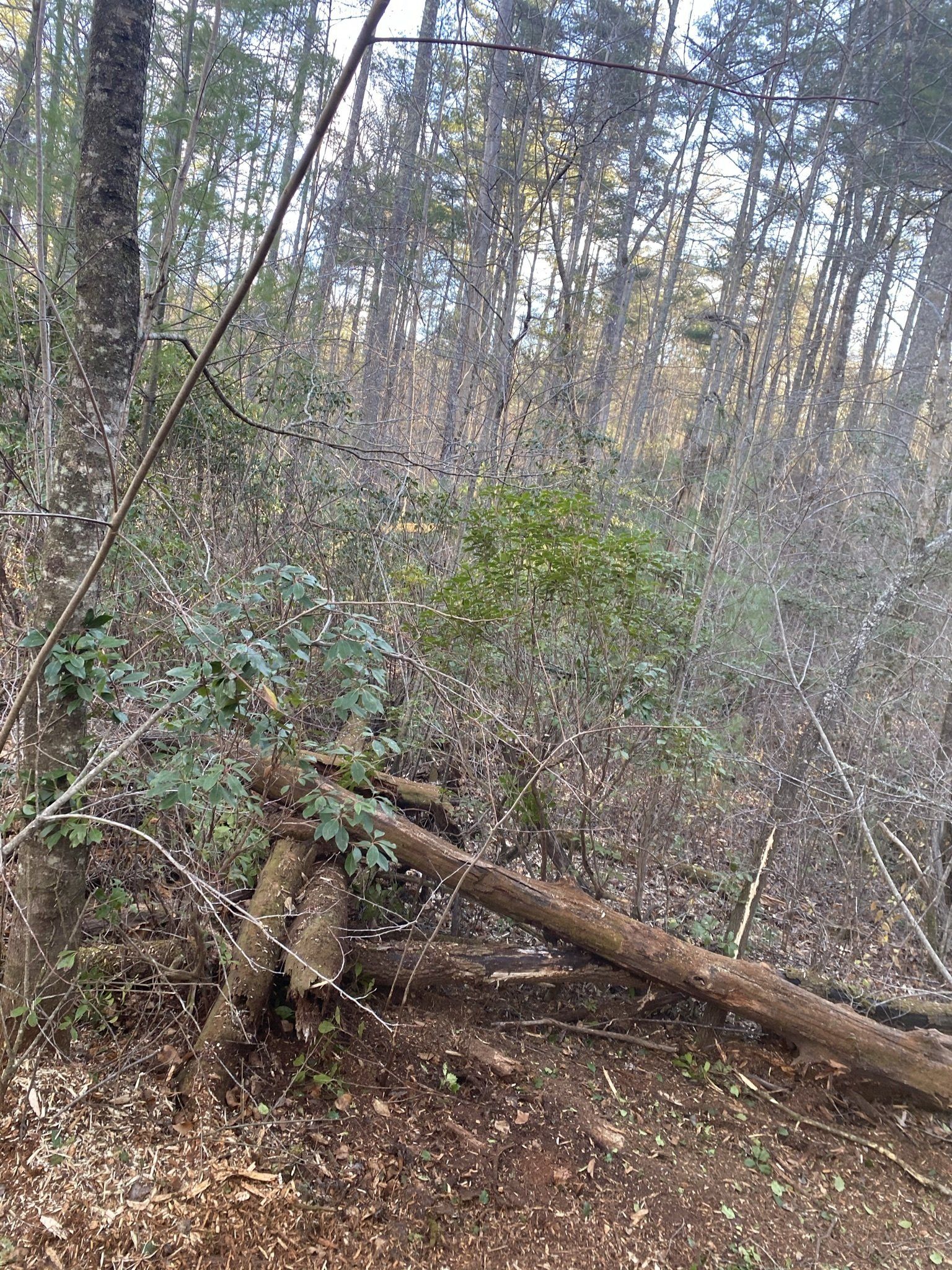
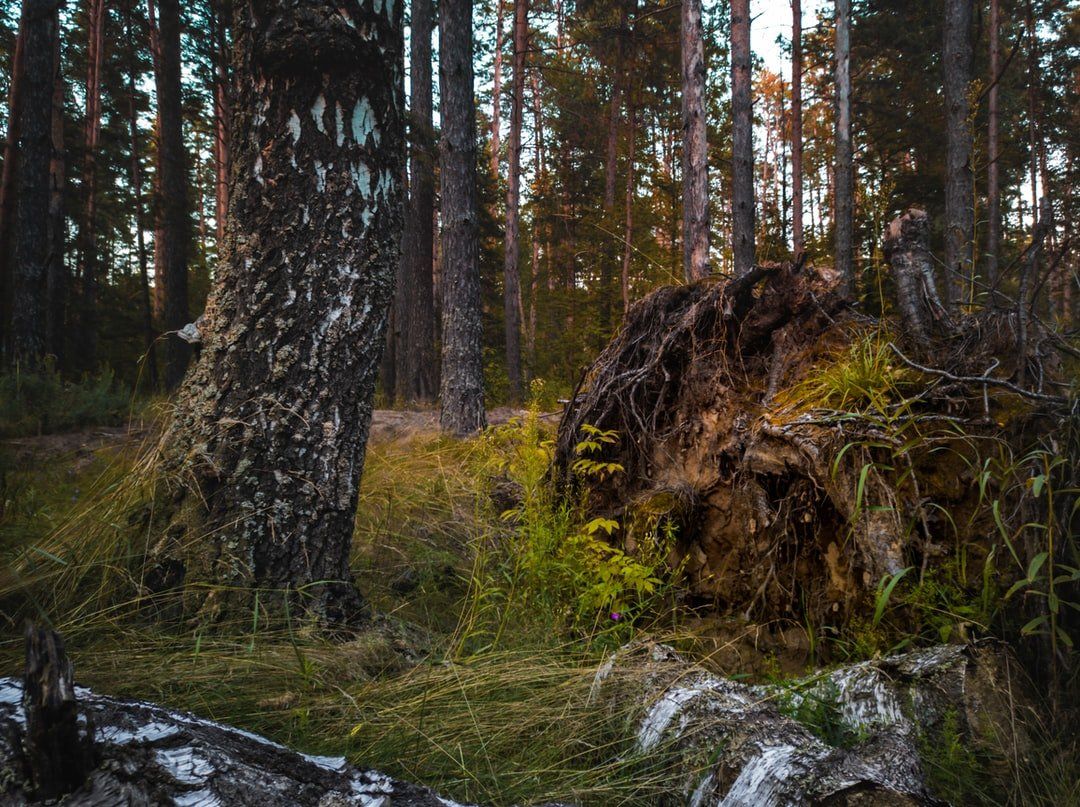
A hunting property can have plenty of acreage and still be difficult to use. Thick brush blocks old trails. Kudzu covers fence lines. Saplings crowd the edges of clearings, and fallen limbs make it hard to reach stands or food plots without fighting the land every step of the way.
That kind of overgrowth does not always mean the property needs to be stripped bare. In many cases, it needs selective work: open the access routes, reclaim areas that have disappeared under brush, remove problem vegetation, and keep the trees and cover that still serve a purpose.
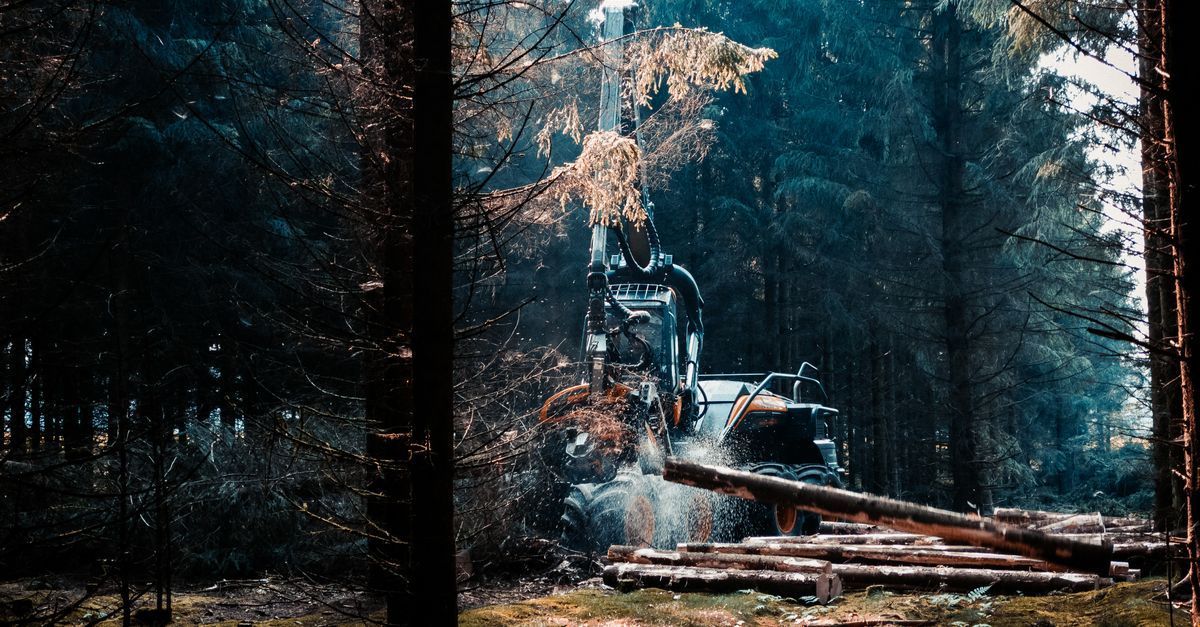
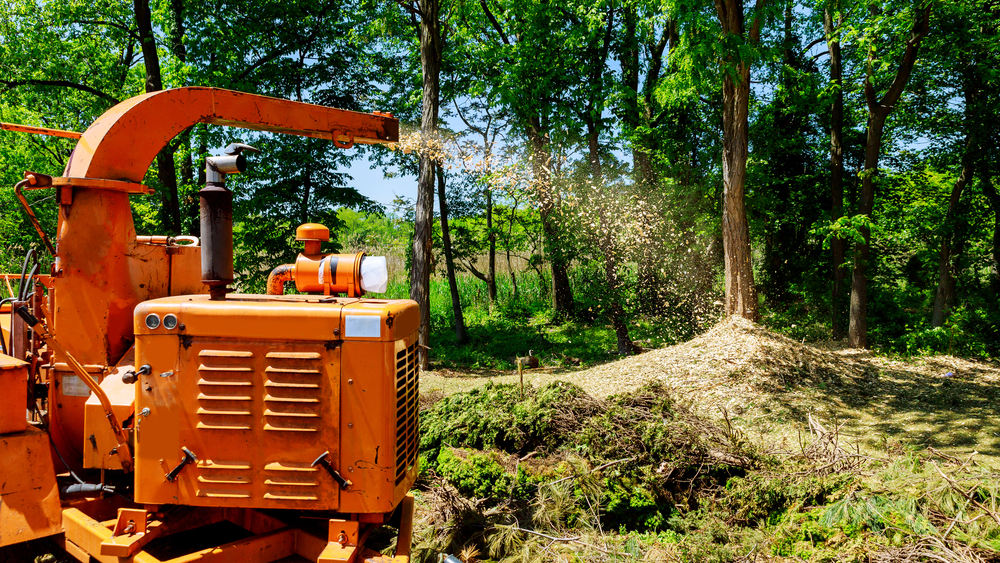
That is where forestry mulching in North Georgia can be especially useful. A forestry mulcher cuts and grinds vegetation in place, leaving a layer of natural material on the ground instead of piles that have to be burned or hauled away. For hunting land, the result can be better access, clearer sightlines, and a property that is easier to manage without turning it into an open field.
Good Hunting Land Needs More Than Dense Cover
Wildlife needs cover, but more brush is not automatically better habitat. When every part of a property is choked with the same dense growth, movement becomes difficult for people, equipment, and sometimes wildlife. Native plants and young trees may also struggle when aggressive vines or invasive species take over the available sunlight and space.
A practical hunting-property plan usually balances several needs:
- Safe access for hunters and land-management equipment
- Defined trails that reduce unnecessary disturbance
- Cover and bedding areas that remain protected
- Openings where approved food plots or native forage can grow
- Clear property boundaries and fence lines
- Healthy trees that have room to develop
- Drainage that keeps trails and access roads usable
The goal is not to clear everything. It is to decide what each part of the property should do and then remove the growth that gets in the way.
Reopen Hunting Trails and Access Lanes
Old logging roads, farm paths, and ATV trails can disappear surprisingly quickly in Georgia. Briars and saplings close in from both sides. Low branches make equipment access difficult, and wet areas become wider when runoff has nowhere to go.
Professional hunting land clearing can reopen those routes and make them useful again. A clear trail helps hunters enter and leave more quietly, gives maintenance vehicles a defined path, and makes it easier to remove downed game safely.
Access work should be planned before the machine starts. Think about where vehicles will enter, where they can turn around, which routes should remain narrow, and which areas need enough width for equipment. A trail that follows the natural shape of the land is often easier to maintain than one that fights every slope and drainage path.
It is also wise to consider wet-weather access. Clearing a trail does not solve a drainage problem by itself. Low areas, steep grades, and places where water crosses the route may need additional planning before regular vehicle use.
Create Useful Sightlines Without Overclearing
Selective clearing can improve visibility around stands, field edges, and travel corridors. The key word is selective. Removing every tree and shrub can eliminate the cover that makes wildlife comfortable using an area in daylight.
A better approach is to identify the exact view or access problem. It may be enough to remove a band of saplings, widen an existing opening, or clean up the brush beneath mature trees. The right forestry mulching services allow an experienced operator to work around desirable trees while removing smaller growth and tangled vegetation.
Before clearing around a stand, look at how the area is used. Note common travel directions, nearby bedding cover, wind patterns, safe shooting directions, neighboring property lines, and any roads or homes beyond the target area. Land management and hunting safety should be planned together.
Reclaim Areas for Food Plots and Native Growth
An overgrown field edge or forgotten pasture may have room for a food plot, but the area often needs more than a quick mowing. Woody stems, vines, young trees, and invasive plants can prevent equipment from reaching the soil and compete with anything planted later.
Forestry mulching can knock down that heavy growth and process it on-site. The mulch helps cover exposed soil, but it does not automatically create a finished seedbed. Depending on what you plan to grow, the area may still need soil testing, time for the material to settle, additional vegetation control, and proper seedbed preparation.
Do not choose a food-plot site based only on convenience. Sunlight, soil, drainage, access, and the amount of surrounding cover all matter. A smaller opening in the right location may be more useful than a large plot that stays wet or receives too little sun.
Remove Brush That Hides Hazards
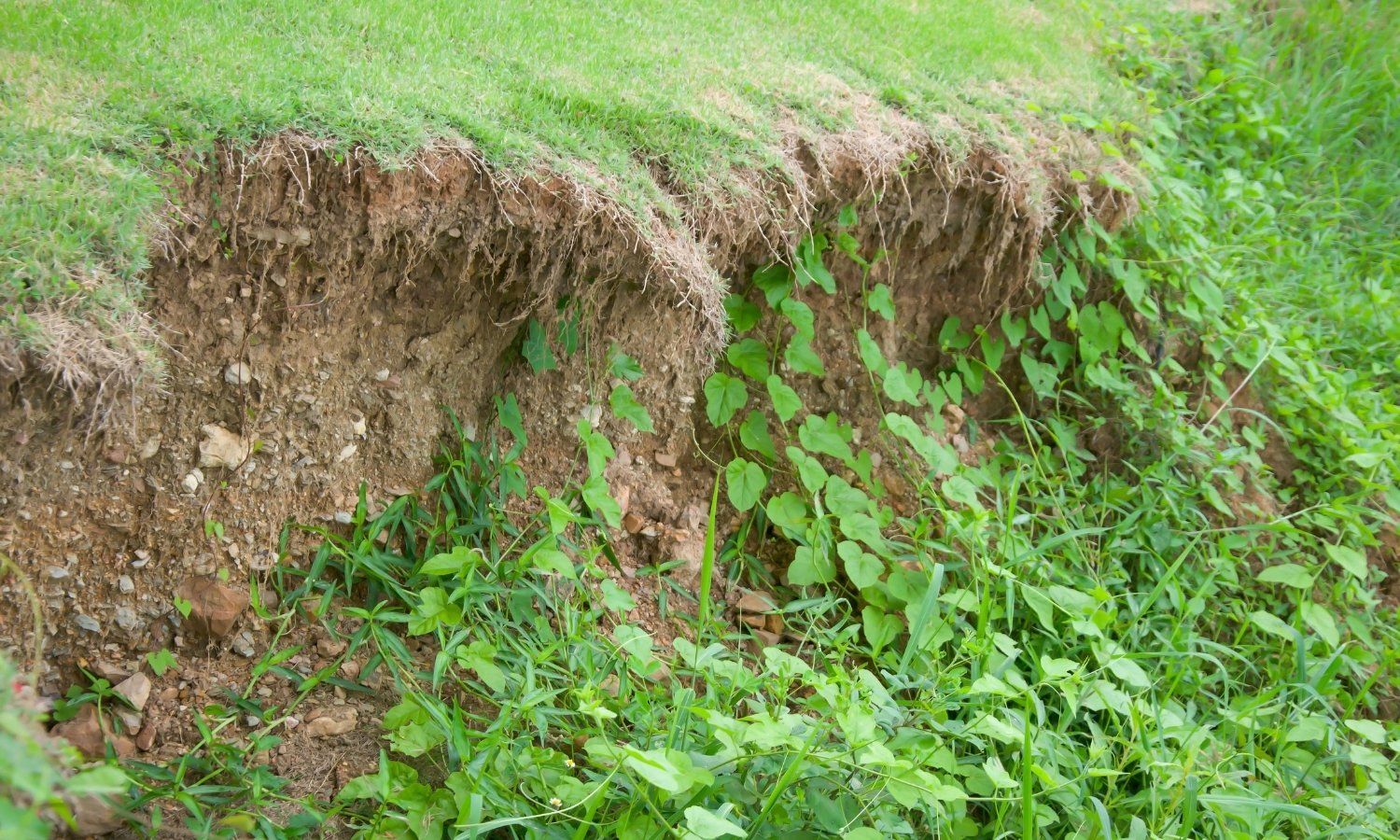
Dense undergrowth can hide washed-out ditches, old wire, stumps, rocks, holes, and fallen limbs. It can also block access to gates, fences, ponds, utility areas, and property corners.
Brush clearing services make these areas easier to inspect and maintain. Once the heavy growth is removed, a landowner can see where repairs are needed and determine which routes are safe for regular use.
Mark known hazards before work begins. Old fencing and wire are especially important because they can be difficult to see beneath vines and leaves. Point out wells, septic areas, utility lines, culverts, survey markers, and any structures that the operator needs to avoid.
Control Kudzu and Other Invasive Growth
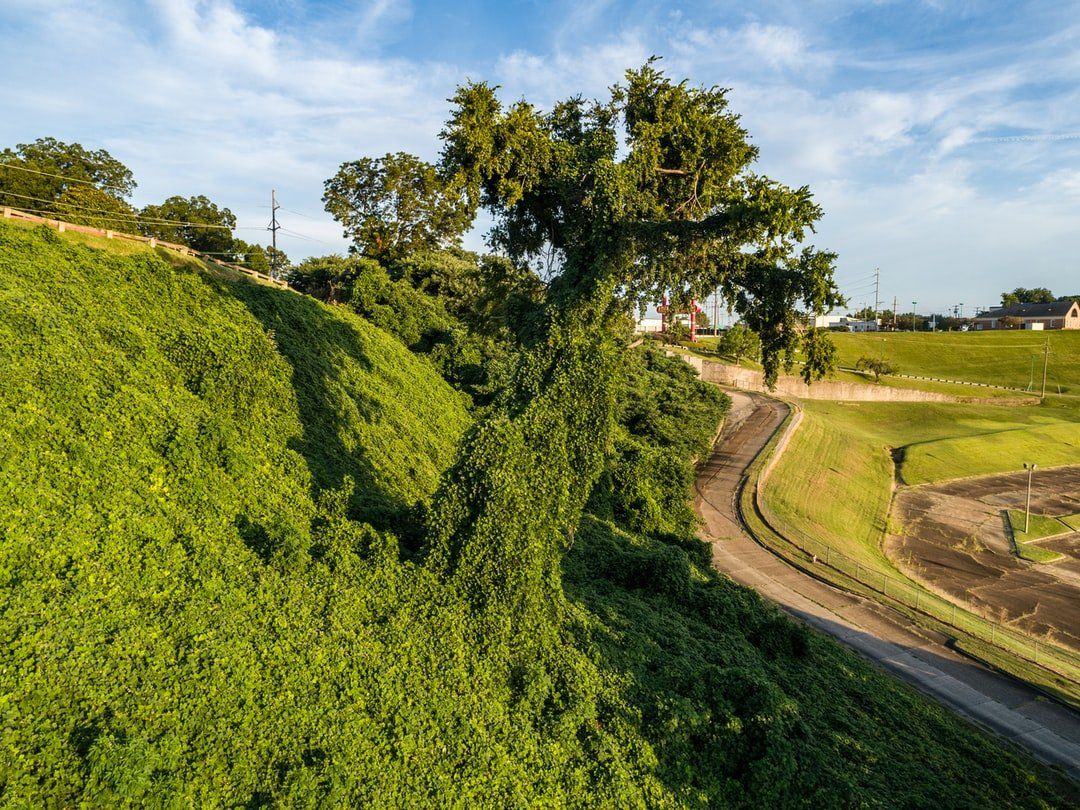
Kudzu, privet, and other invasive plants can change the character of a property. They crowd out native vegetation, cover young trees, close travel routes, and make once-usable areas difficult to reach.
Mechanical invasive species removal in Georgia can remove the heavy top growth and open the site for follow-up management. However, many invasive plants can return from roots, seeds, or remaining stems. A single pass may be the beginning of the control plan rather than the end.
Ask what maintenance will be needed after the initial clearing. Follow-up mowing, repeated cutting, monitoring, or another treatment may be recommended depending on the plant and the extent of the infestation. Keeping a small problem under control is usually easier than waiting for it to cover another acre.
Protect the Trees Worth Keeping
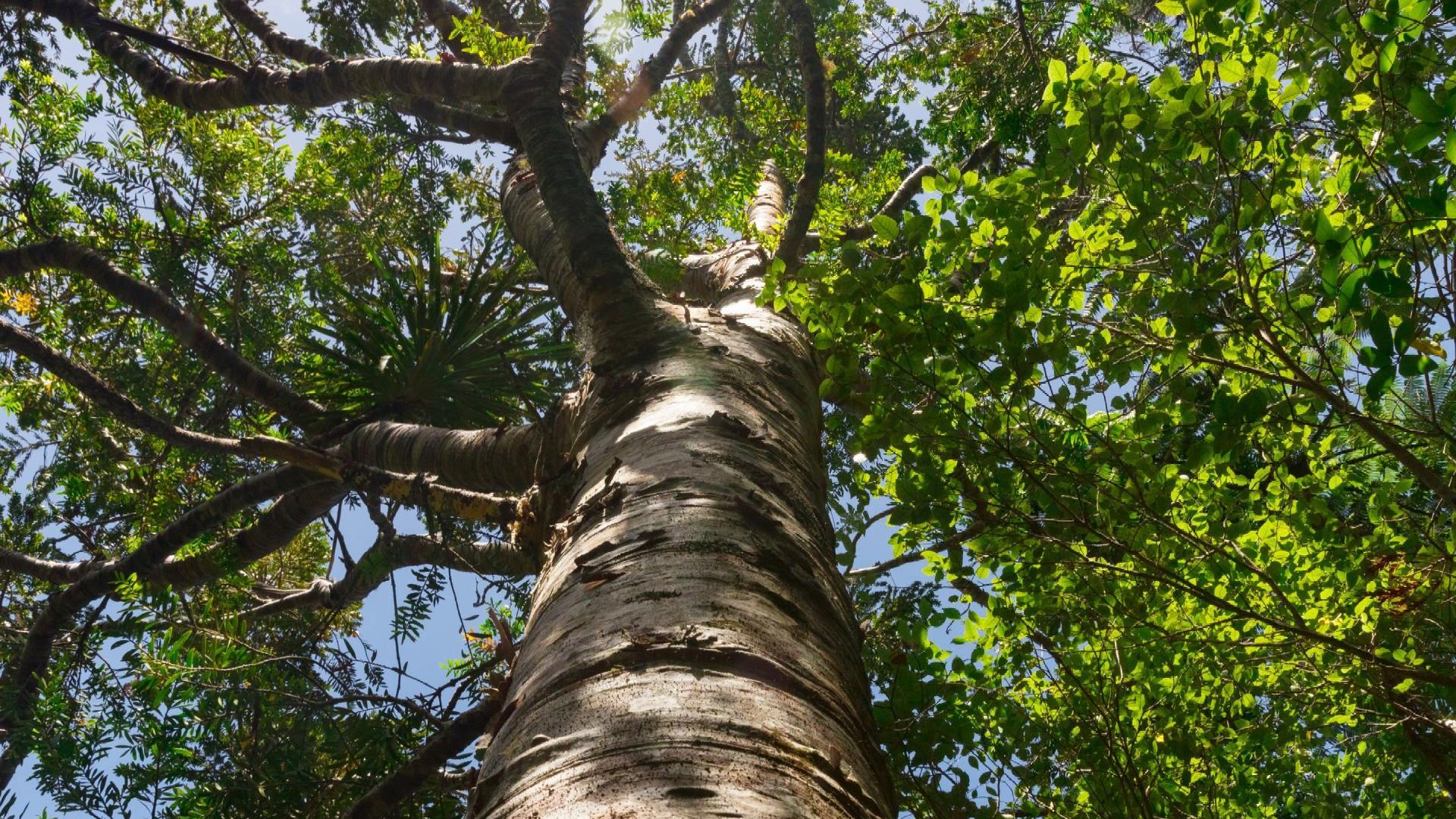
Some trees provide shade, mast, nesting sites, visual screening, or simply the look the landowner wants to preserve. Those trees should be identified before clearing begins, not while equipment is already moving through the property.
Heritage Forestry Mulching offers Georgia tree identification as part of planning selective work. Identifying desirable native trees helps the operator protect them and remove competing brush around their trunks where appropriate.
Mark keeper trees clearly and discuss how much space should remain around them. Avoid piling or grinding material directly against trunks. If a tree appears damaged, unstable, or diseased, consult a qualified tree professional before deciding whether it belongs in a retained area.
Think About Deer Habitat as a Whole
Clearing is one part of deer habitat improvement, but it should fit a broader plan. Food, water, cover, travel routes, and low-disturbance areas all affect how wildlife uses the property.
For example, opening an access trail may make the property easier to hunt, but running it through the center of the best bedding cover could create a new problem. A food plot may attract deer, but it will not reach its potential if the site receives little sunlight or stays waterlogged. A wide-open shooting lane may improve visibility but make deer reluctant to cross during daylight.
Walk the land before making decisions. Look for existing trails, droppings, rubs, feeding areas, water sources, thick cover, and natural funnels. Then decide which areas need access, which need thinning, and which should remain alone.
Schedule Work With the Hunting Calendar in Mind
Heavy equipment changes the sound, scent, and movement on a property. If the work is being completed close to hunting season, allow time for the land to settle afterward. Avoid scheduling major clearing immediately before an important hunt when possible.
Fall can make some features easier to see as foliage begins thinning, but every site is different. Wet weather, steep terrain, vegetation density, and equipment access can affect timing. The best schedule is based on the property’s actual conditions, not the month alone.
Plan the highest-priority work first. If the entire project cannot be completed at once, begin with safe entry, essential trails, access to stands, and areas where overgrowth is causing a clear problem.
Keep Cleared Areas From Disappearing Again
North Georgia vegetation grows quickly. A newly opened trail or field edge will need some level of maintenance if you want it to stay open.
After clearing:
- Walk the property and note areas that may need drainage or grading work
- Monitor invasive plants for regrowth
- Mow or trim accessible edges before woody growth returns
- Keep fallen limbs and storm debris off primary routes
- Check gates, fences, culverts, and signage
- Review the property each year before planning the next round of work
Regular maintenance is usually easier and less expensive than reclaiming the same area after several more years of growth.
Build a Better Plan for Your North Georgia Hunting Property
Forestry mulching can make hunting land safer, easier to reach, and more practical to manage. It can reopen trails, reclaim overgrown openings, expose hidden hazards, and remove invasive growth while preserving selected trees and cover.
The best results begin with a clear conversation about how you use the property. Heritage Forestry Mulching is locally owned and works with residential, agricultural, recreational, and commercial properties across North Georgia. Learn more about the team’s approach to selective land management, then request a free estimate to discuss the trails, openings, and overgrown areas on your land.