The Best Time of Year for Forestry Mulching in Georgia
Timing plays a major role in the success of any forestry mulching project. Different seasons bring unique challenges and benefits, especially in a place like Georgia, where weather patterns vary significantly throughout the year. If you’re planning a mulching project, understanding how the seasons impact the process can help you make the most of your time, resources, and land potential.
Here’s a breakdown of how to determine the best time of year for forestry mulching in Georgia, and what we at Heritage Forestry Mulching can do to help you with your future land management projects.
1. How Does Weather Affect Mulching?
Seasonal weather conditions have a significant influence on the success and ease of forestry mulching. Georgia’s climate can vary greatly, so being mindful of weather patterns helps avoid delays or complications.
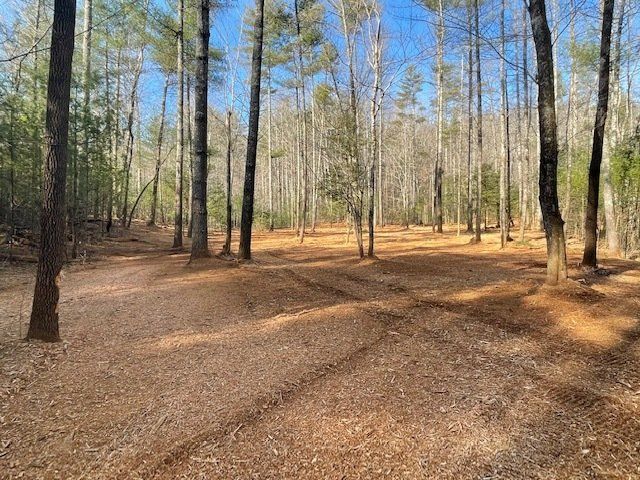
- Winter (December-February): Typically cooler and drier, which makes it easier to access areas without worrying about extreme heat or wet conditions. The lack of foliage also means greater visibility for clearing.
- Spring (March-May): Mild temperatures make this a comfortable time for large projects, but heavy spring rains could lead to muddy conditions, making access more difficult.
- Summer (June-August): The growth rate for vegetation increases, and mulching in summer can prevent invasive plants from spreading. Just keep in mind that heat and humidity may slow down progress or raise safety concerns.
- Fall (September-November): Often the sweet spot for mulching. Cooler weather combined with manageable vegetation makes this season an ideal time for many property owners.
2. What Are Your Goals for the Project?
The best timing will also depend on what you’re hoping to accomplish. Certain objectives align more closely with specific seasons.
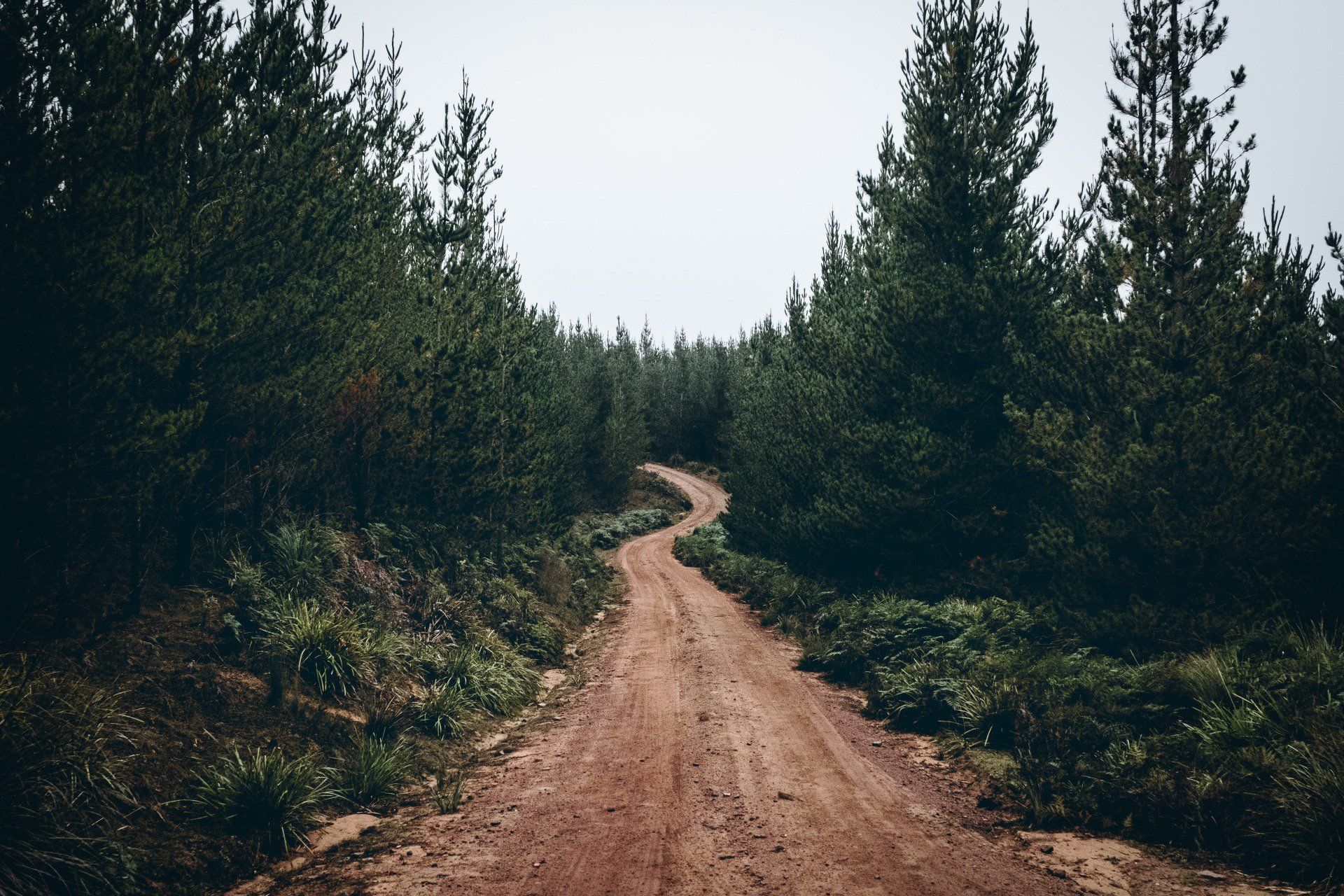
- Trail clearing for hunting is often done in late summer or early fall to prepare for hunting season, making sure that paths are clear and accessible.
- Land preparation for construction works best in late fall or winter when vegetation is sparse, making the process more efficient.
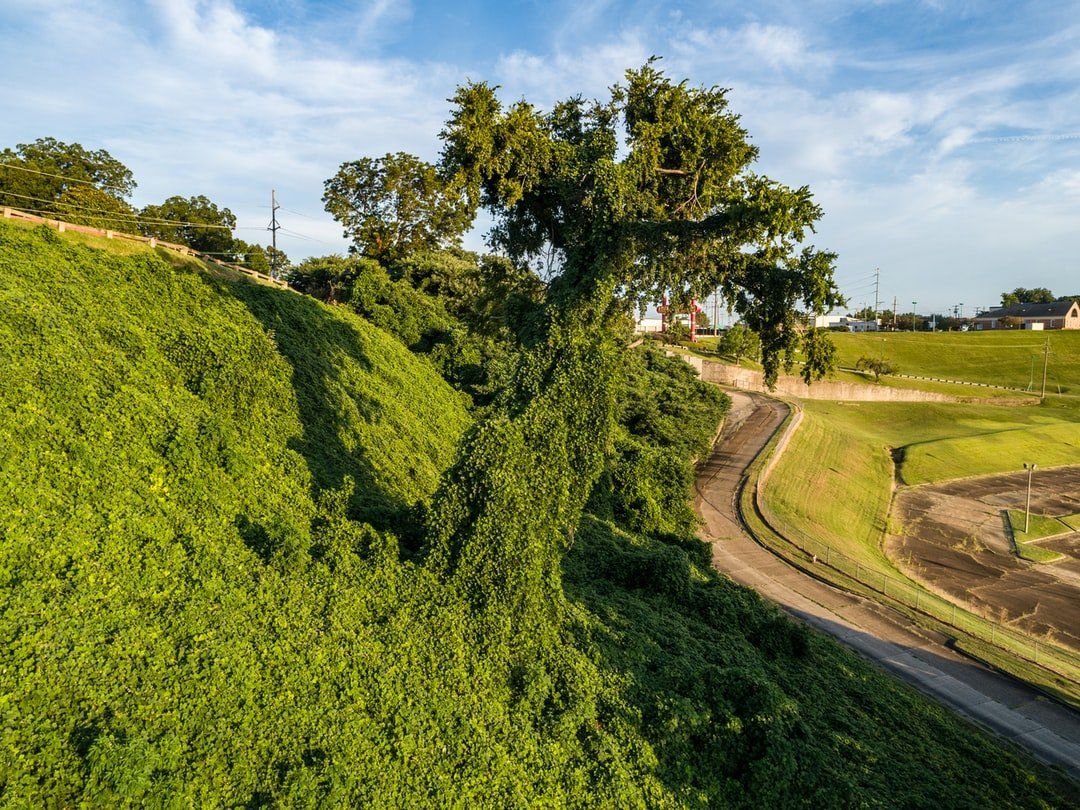
- Overgrown vegetation control can be tackled in spring or summer when plant growth is at its peak, preventing invasive species from dominating.
Clarifying your project goals will help you choose a time when conditions are most favorable for your end result.
3. What Type of Land Are You Working With?
Georgia’s diverse terrain means that some areas may be more accessible during certain times of the year.
- Flat, open land: Projects on level ground typically face fewer challenges and can be done year-round.
- Sloped or uneven properties: These may be harder to access during wet or icy seasons, so spring or summer might be better options.
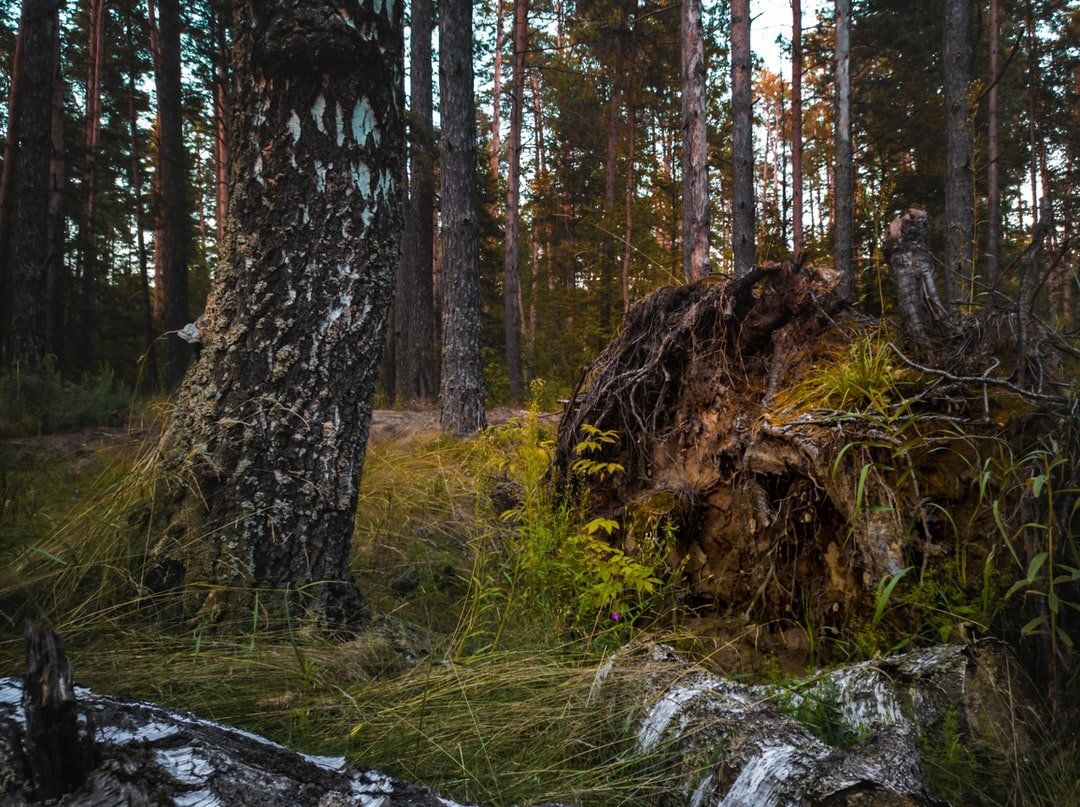
- Heavily wooded areas: Late fall and winter make it easier to see through dense forests when leaves have fallen.
Assessing the specific features of your property will give you a sense of which season offers the best working conditions.
4. Are There Environmental Concerns?
Forestry mulching is known for being eco-friendly, but choosing the right time of year can further reduce environmental impact.
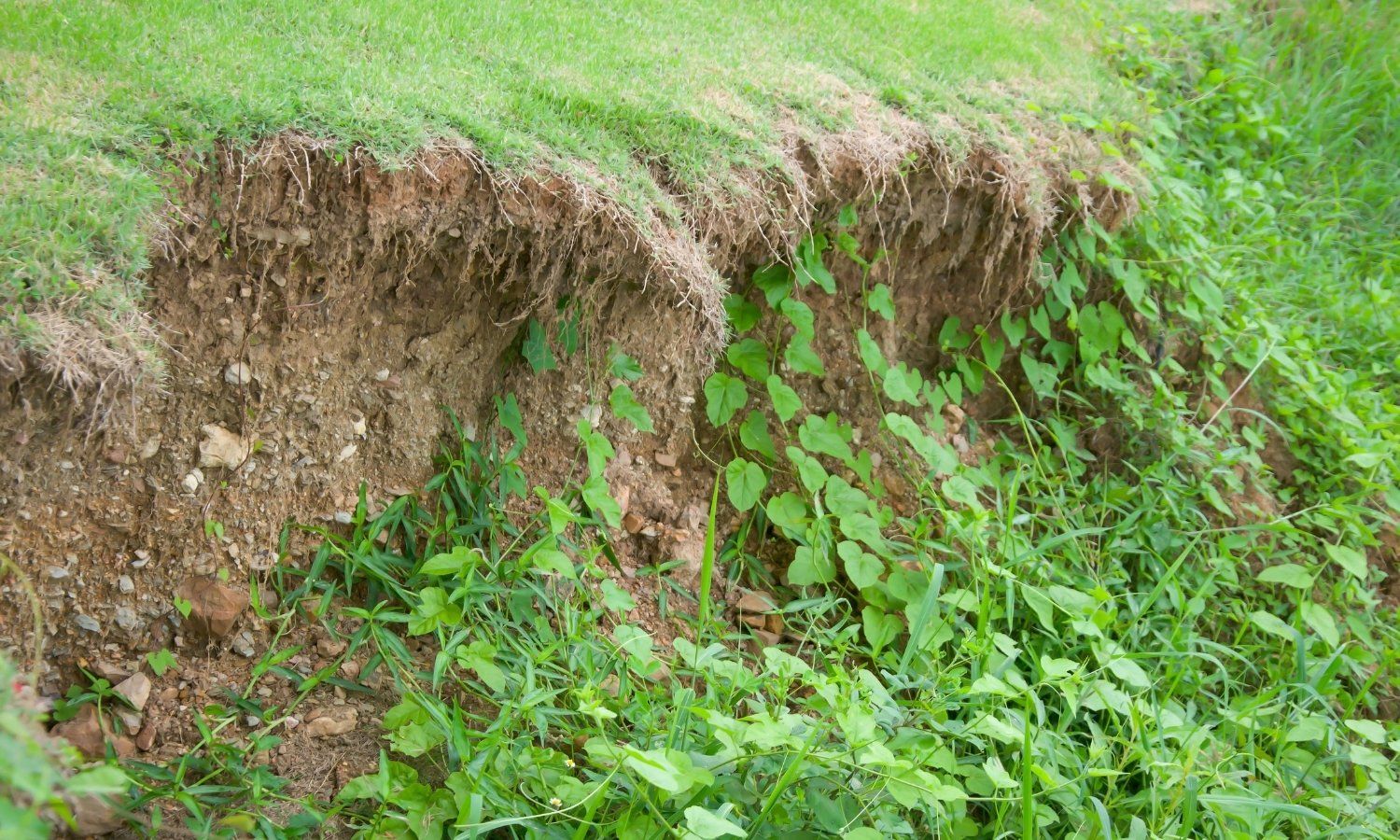
- Erosion control: Late fall and winter mulching can prevent soil erosion during the rainy spring season by laying down mulch to stabilize the ground.
- Wildlife safety: Avoid nesting seasons in the spring to minimize disruption to local animal habitats.
- Plant preservation: For properties containing native plants, mulching during dormant periods (fall and winter) allows beneficial plants to recover more easily.
By aligning your project with nature’s cycles, you can strike a balance between achieving your goals and protecting the environment.
5. What Is Your Ideal Timeline?
While seasonal factors are important, don’t forget to account for your specific timeline and schedule.
- Project size: Larger parcels of land may require a longer timeframe, so starting in a less busy season like fall or winter can help you plan more effectively.
- Weather predictability: Georgia’s winters are often more consistent compared to unpredictable spring storms, making late fall or early winter a reliable choice.
- Urgency: If you need the area cleared quickly, such as for a construction project or agricultural preparation, working with a professional forestry mulching team can help keep your timeline on track regardless of the season.
Find the Right Time for Your Needs
Ultimately, the best time for forestry mulching in Georgia depends on a mix of factors, including weather, project goals, and the type of land you’re working with. By planning thoughtfully and consulting with professionals, you can select the season that suits your needs and avoids unnecessary complications.
At Heritage Forestry Mulching, we work year-round to help property owners across Georgia achieve their land management goals. Whether you’re preparing land for a building project or reclaiming overgrown areas, our team is here to help you through the process.
Contact us today to discuss your project and find out how we can help make the most of your property, no matter the season!
FAQs
Can forestry mulching be done during the rainy season in Georgia?
Yes, forestry mulching is possible during the rainy season, but it can be more challenging. Wet conditions may make certain areas harder to access, especially on sloped or uneven terrain. Mulching in drier periods, such as late fall or winter, is often recommended to avoid delays and protect the soil from unnecessary disturbance.
2. What is the benefit of mulching during winter in Georgia?
Mulching during winter provides several advantages. Vegetation is sparser, making it easier to see and access the land. Additionally, applying mulch in winter helps stabilize soil and prevent erosion as it prepares for heavy spring rains. Winter is also a dormant period for many plants, which allows the natural landscape to recover more effectively.