How Mulching Helps Prevent Soil Erosion After Land Clearing
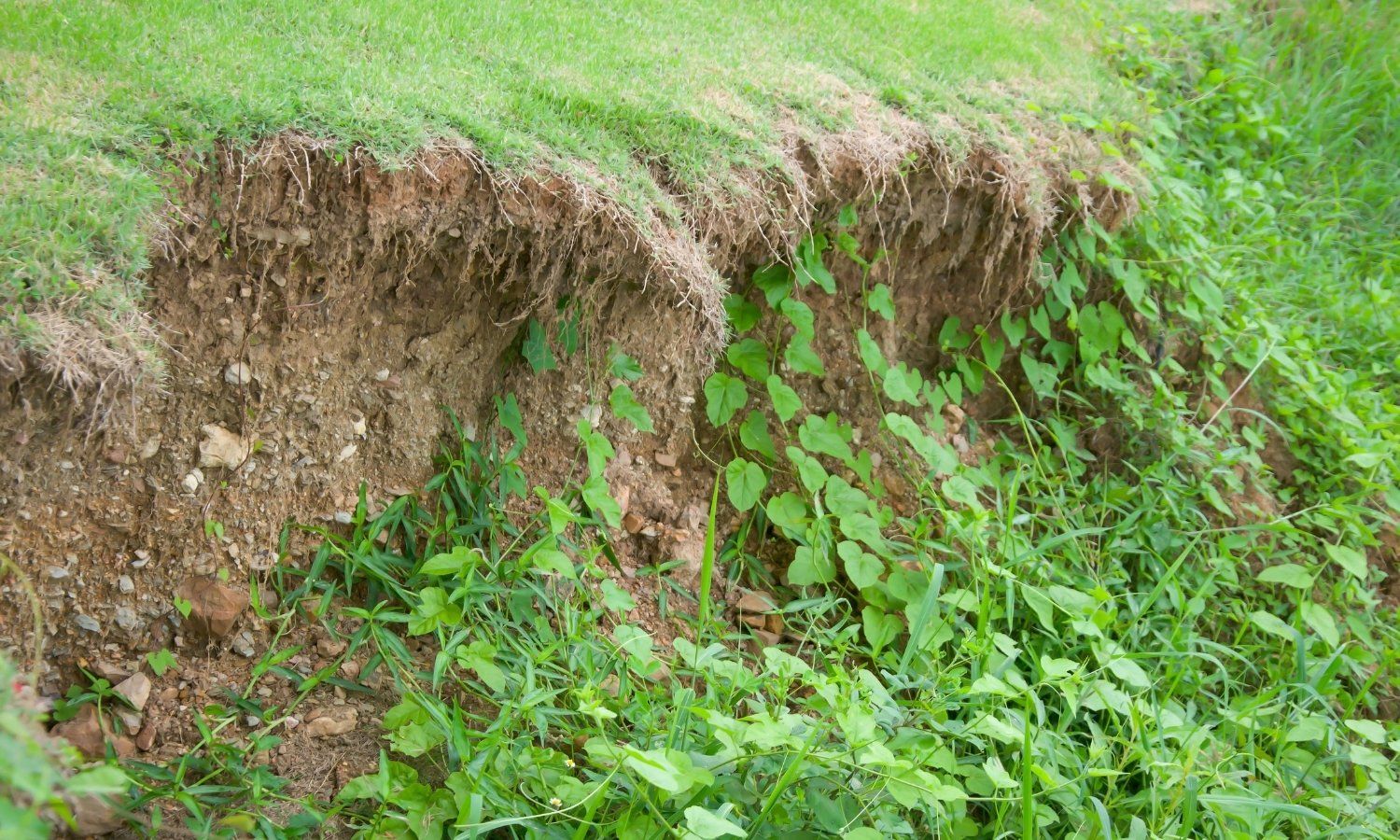
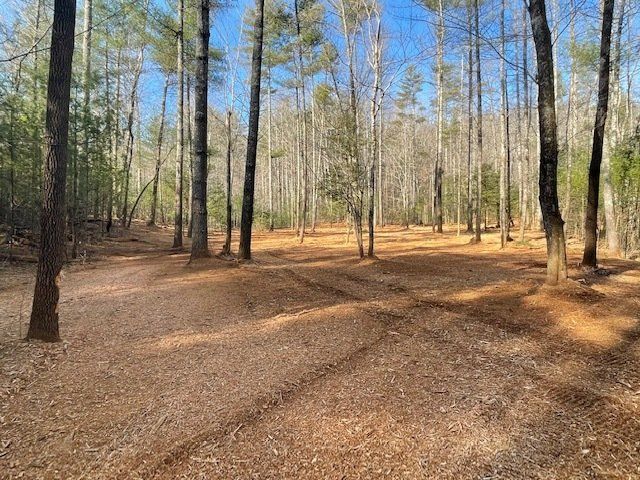
When it comes to land clearing, protecting the integrity of your soil is often one of the biggest challenges. A cleared property can quickly become vulnerable to issues like erosion, poor soil quality, and runoff damage. That’s where forestry mulching comes in. By layering the ground with nutrient-rich mulch during or after the land clearing process, you can create a natural shield that preserves the health of your soil while preventing erosion. landscape.
Here’s a closer look at how mulching plays an important role in keeping your landscape strong and sustainable after clearing.
Stabilizing Soil Structure
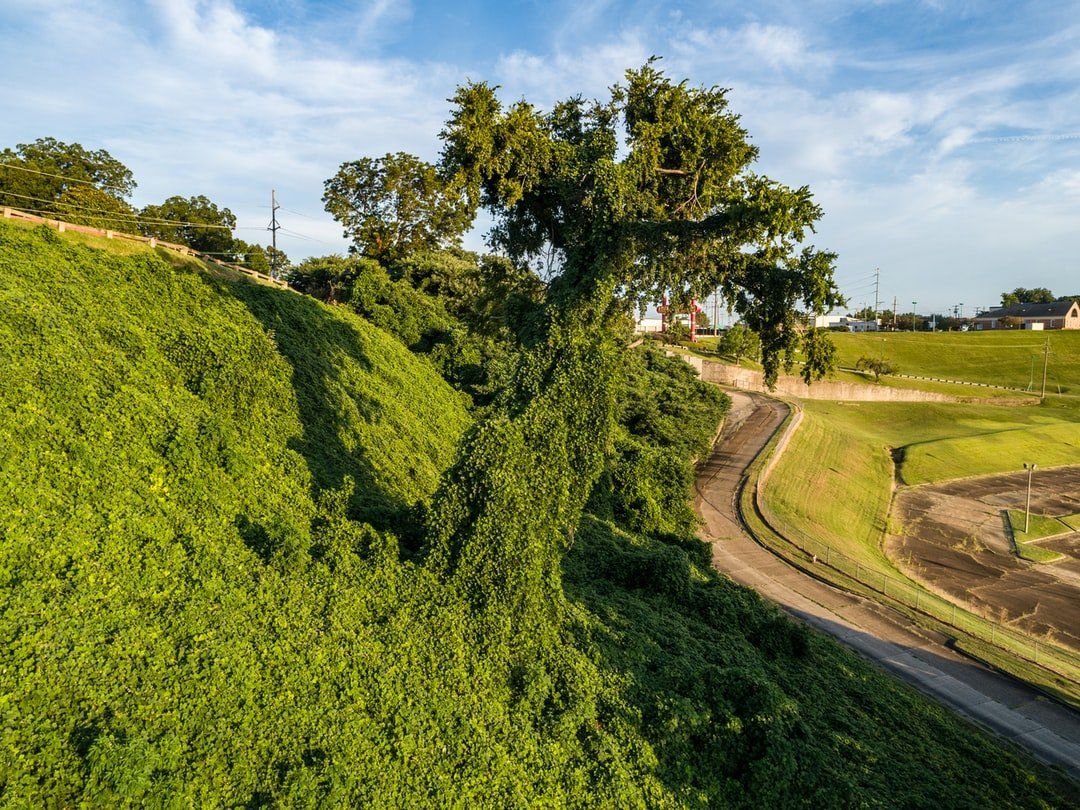
One of the main risks after clearing land is that loose soil can shift or wash away due to wind or rain. This is especially true on sloped or uneven ground. Mulching provides an instant solution by creating a protective covering over the soil. The mulch anchors the top layer in place, reducing the chances of erosion while allowing water and nutrients to gradually filter into the ground.
Without this layer, a heavy downpour could easily strip away the soil, leaving you with barren land and creating larger drainage problems in the future.
Preventing Surface Runoff
After land clearing, exposed soil is more likely to lose its nutrients and moisture due to runoff. Mulch acts as a buffer, slowing down the movement of water during rain and encouraging it to soak into the ground rather than flow away. This helps retain valuable soil nutrients that plants need to grow, while also preventing the formation of gullies or ditches caused by fast-moving runoff.
For areas prone to heavy rains, the use of forestry mulching can make all the difference in keeping your soil where it belongs.
Protecting Against Compaction
When land-clearing equipment moves across your property, soil compaction becomes a concern. Compacted soil loses its ability to absorb water and oxygen, both of which are critical for plant life. Adding a layer of mulch after clearing acts as a cushion for the soil, preventing further compression by machinery, foot traffic, or even the weight of heavy rains.
This layer also encourages the natural breakdown of organic material, which gradually loosens and enriches the underlying soil.
Supporting Plant Regrowth
After land clearing, you’re likely aiming for a healthier, more usable landscape. Forestry mulching can contribute directly to that goal by creating conditions that support plant regrowth. The fine mulch left behind acts as a natural fertilizer, returning nutrients to the soil and promoting new vegetation over time.
This benefit is particularly useful for properties with steep slopes or areas prone to erosion, as the fresh mulch stabilizes the land while plants take root.
Minimizing Environmental Damage
Land clearing doesn’t just affect your property; it can also impact surrounding areas. Loose sediment from erosion can travel to nearby creeks, ponds, or drainage systems, leading to water contamination or even flooding in some cases. Forestry mulching helps keep your land’s ecosystem balanced by containing soil on-site and reducing its movement into neighboring environments.
Choosing an eco-friendly practice like mulching not only protects your property but also prevents damage to shared community resources down the road.
Saving Time and Resources
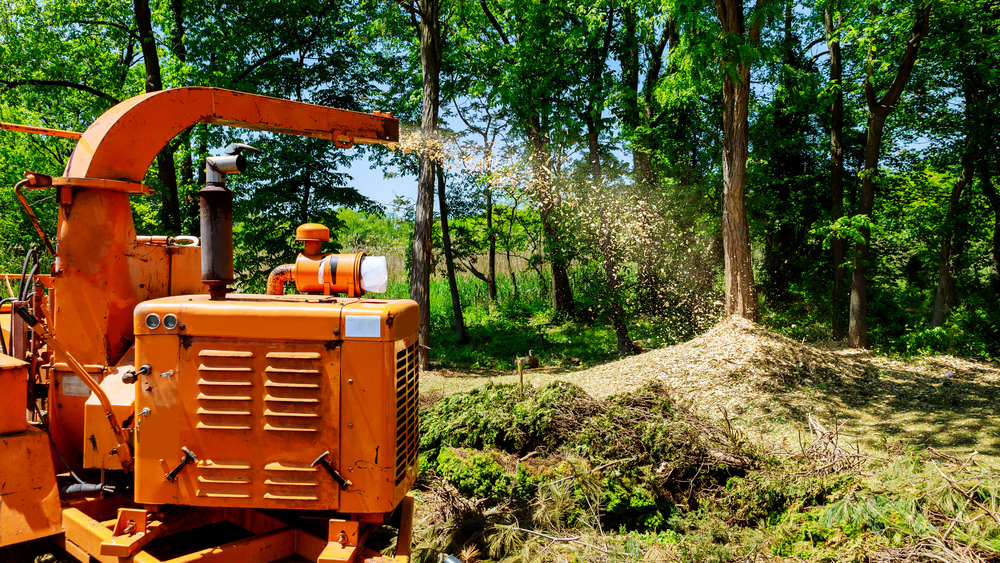
Lastly, one of the simplest benefits of mulching after land clearing is how it combines multiple steps into one efficient process. Forestry mulching eliminates the need for hauling debris off-site while simultaneously delivering erosion control and soil health improvement. This saves you time and resources compared to traditional clearing and soil protection methods, allowing you to focus on your next project sooner.
Invest in Long-Term Land Health
Mulching isn’t just a finishing touch; it’s a critical part of maintaining your property’s health after land clearing. It protects your soil, reduces erosion risks, and promotes a thriving landscape that you can build upon for years to come.
At Heritage Forestry Mulching, we’re dedicated to prioritizing sustainable land management practices that benefit both property owners and the environment. If you’re planning a land clearing project and want to preserve its health, reach out to discuss how professional forestry mulching can help.
We’re here to support you in creating a functional, beautiful, and resilient property while protecting what matters most beneath your feet. Call us today to learn more about how mulching can work for you!
Frequently Asked Questions
Can mulching be effective on steep slopes after land clearing?
Absolutely. Mulching is particularly beneficial on steep slopes where soil erosion is more likely to occur. The layer of mulch helps anchor the soil in place, reducing runoff and preventing the formation of erosion channels. Additionally, the mulch creates an ideal environment for new vegetation to establish roots, which further stabilizes the slope over time.
How long does mulch take to break down, and should it be reapplied?
The breakdown of mulch depends on factors like the type of vegetation mulched, weather conditions, and soil activity. On average, it may take several months to a year for the mulch to fully decompose, enriching the soil in the process. Reapplication is generally not required unless further clearing is done or additional soil protection becomes necessary.